How to Identify Poor IAQ in Your Home or Business
How to Identify Poor IAQ in Your Home or Business
By Michigan Air Testing — Test Right. Breathe Right.
Indoor Air Quality (IAQ) plays a critical role in the comfort, health, and productivity of everyone in a space — whether it’s your home or workplace. But how do you know if your indoor air is actually clean?
Here are some common warning signs of poor IAQ — and how to test for them.
🚨 Signs of Poor IAQ
- Musty or Unpleasant Odors
Persistent smells (like mold, mildew, or chemicals) may signal pollutants or hidden moisture issues. - Condensation or High Humidity
Fogged windows, peeling paint, and damp walls are signs of poor ventilation or high moisture — a breeding ground for mold. - Visible Mold Spots
Black, green, or brown patches on ceilings, walls, or around HVAC vents indicate mold growth and serious air quality concerns. - Increased Allergies or Illness
Frequent headaches, fatigue, respiratory problems, or allergy symptoms that worsen indoors can signal IAQ problems. - Dust Build-up Around Vents
Excess dust or dark stains near air vents often mean your air system is circulating dirty air.
🔬 IAQ Testing: DIY vs. Professional Services
- DIY Test Kits
These kits can detect mold, radon, or VOCs but often lack precision. They are a good first step but can miss hidden dangers. - Professional IAQ Testing (Recommended)
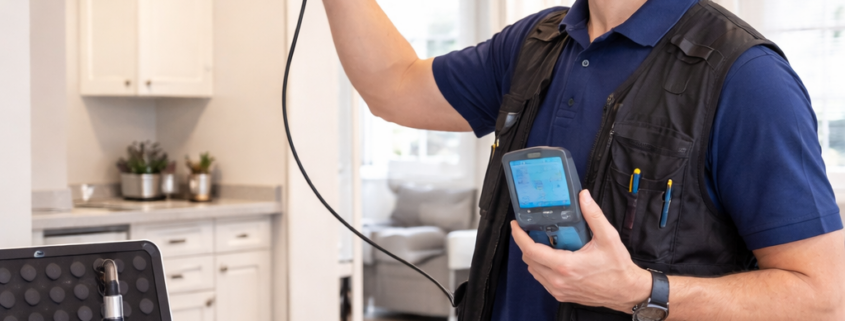
Experts use advanced equipment to detect mold spores, particulate matter, CO₂, VOCs, formaldehyde, and more — with reliable lab analysis and actionable insights.
At Michigan Air Testing, we use cutting-edge tools to assess your IAQ and help you create a cleaner, healthier indoor environment.
💡 Take Action Today
Don’t wait for health symptoms to arise. Be proactive and schedule a professional IAQ evaluation.
🌐 www.miairtesting.com
📞 Call now for a consultation
Test Right. Breathe Right.